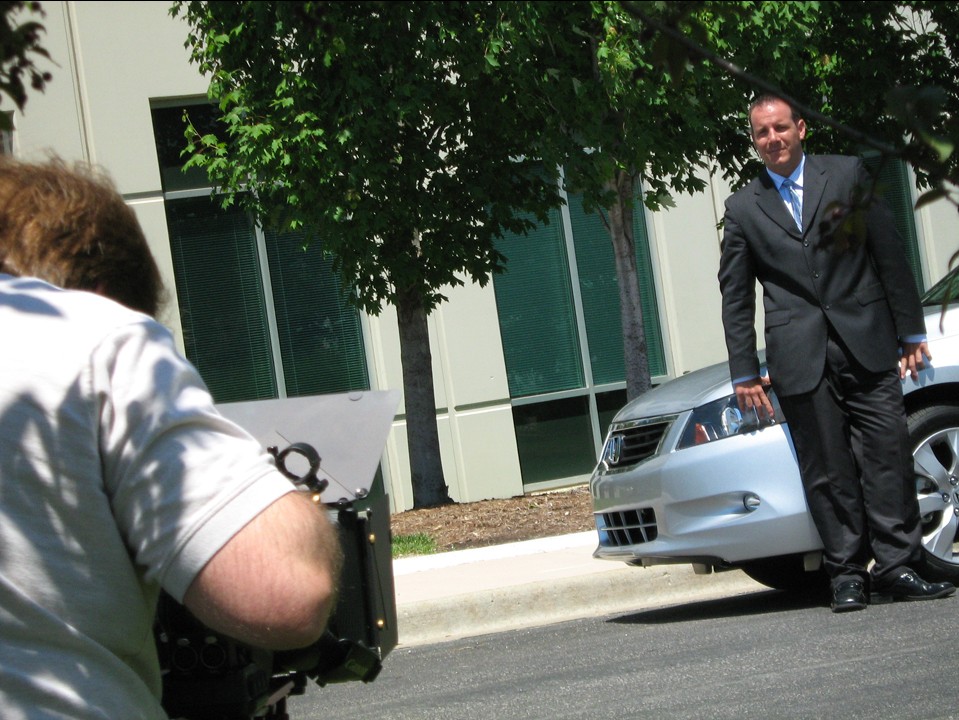
Marketing leaders love real voices—your engineers, your account managers, your CEO. What they don’t love are four-hour shoots that turn into rescue edits because a great subject “freezes” on camera. A disciplined teleprompter workflow solves this. Used correctly, it preserves authenticity, protects the message, and compresses production time and post-production cost.
For Decision Makers
- Non-professional talent speaks with confidence when the copy is written and formatted for the teleprompter.
- A trained prompter operator and producer coaching keep delivery natural—not “read.”
- Better A-roll means fewer pickups and less editorial surgery, shrinking edit hours and approvals.
- Clear scripts and legal-approved language reduce risk in regulated categories.
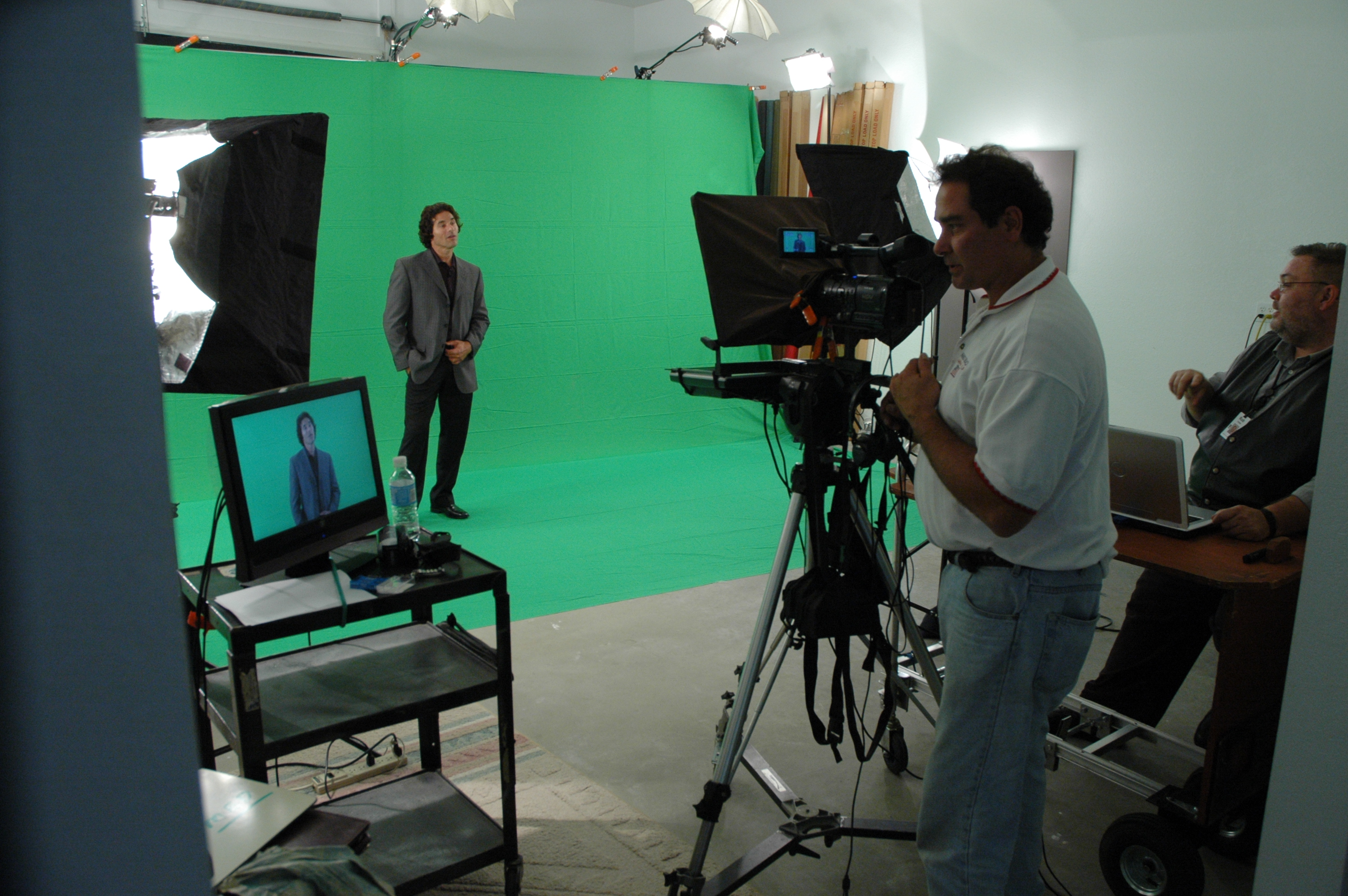
Why Teleprompters Belong in Corporate Shoots
- Message discipline: Keeps SMEs on-brand and within legal/compliance guardrails.
- Time efficiency: Cuts retakes caused by mid-sentence rephrasing, blanking, or rambling.
- Consistency across speakers: Multiple locations and teams can match tone, tempo, and phrasing.
- Confidence on set: Anxiety drops when talent knows the exact words will be there.
Script Engineering for Teleprompter Success
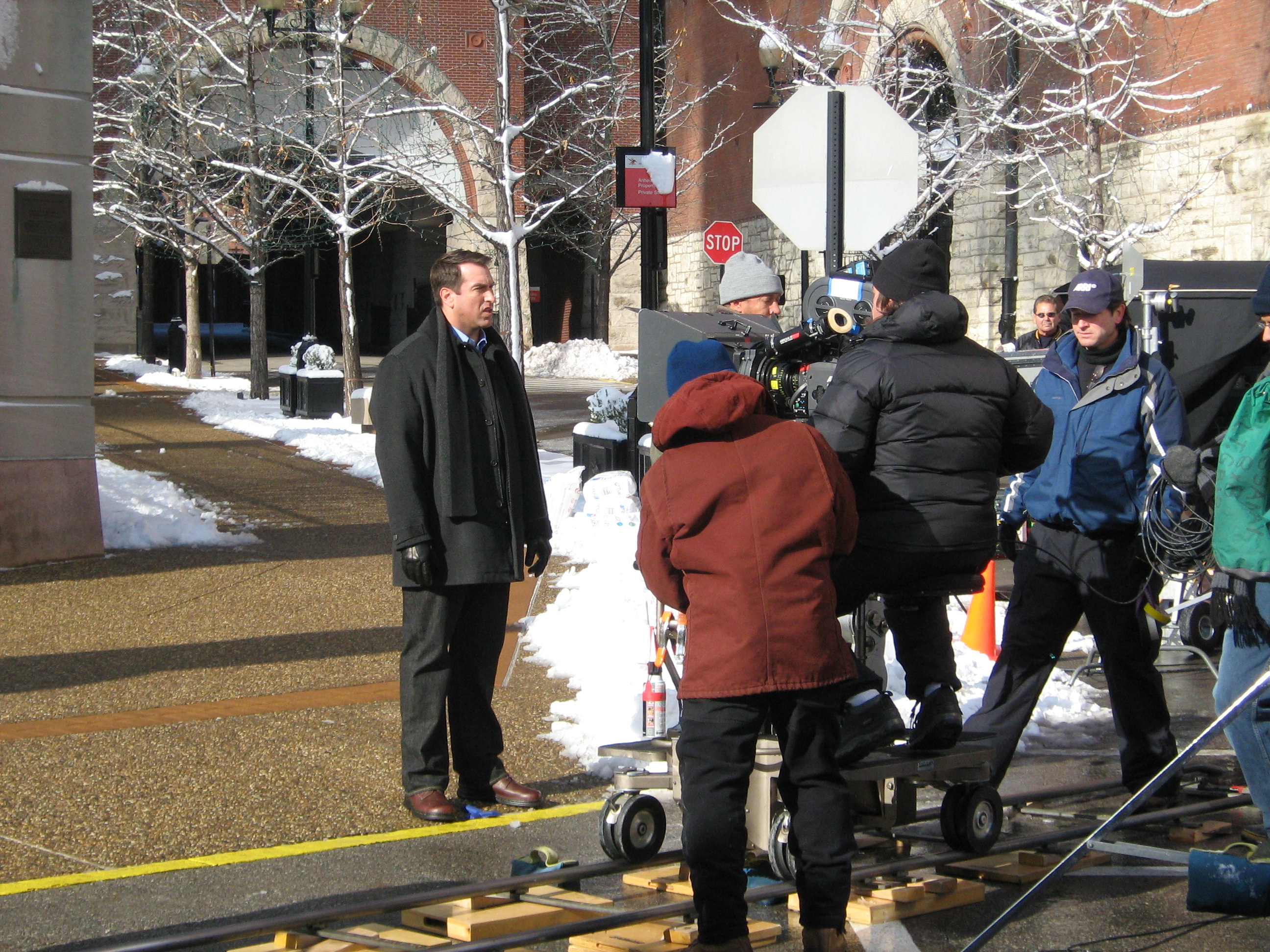
Well-written copy is the single biggest driver of natural delivery.
- Write for the ear, not the eye. Short clauses. Everyday words. One idea per sentence.
- 12–16 words per line break. Insert deliberate line breaks at natural breaths.
- Mark emphasis. ALL-CAPS sparingly for acronyms and proper names only; use (beat) or [pause] for timing.
- First-person and conversational. “Here’s how we solved it” reads better than “The solution was implemented.”
- On-screen time math: 130–150 words ≈ one minute of speech for most non-pros.
- Variant blocks. Prepare A, B, and short “promo” versions (e.g., :60, :30, :15) to future-proof reuse.
Keeping It Authentic (Not “Read”)
Teleprompters get a bad rap when they’re used like a news desk. The fix is process, not luck.
- Warm-up reps: First pass at 85% speed, second at 95%, final at 100%—builds rhythm.
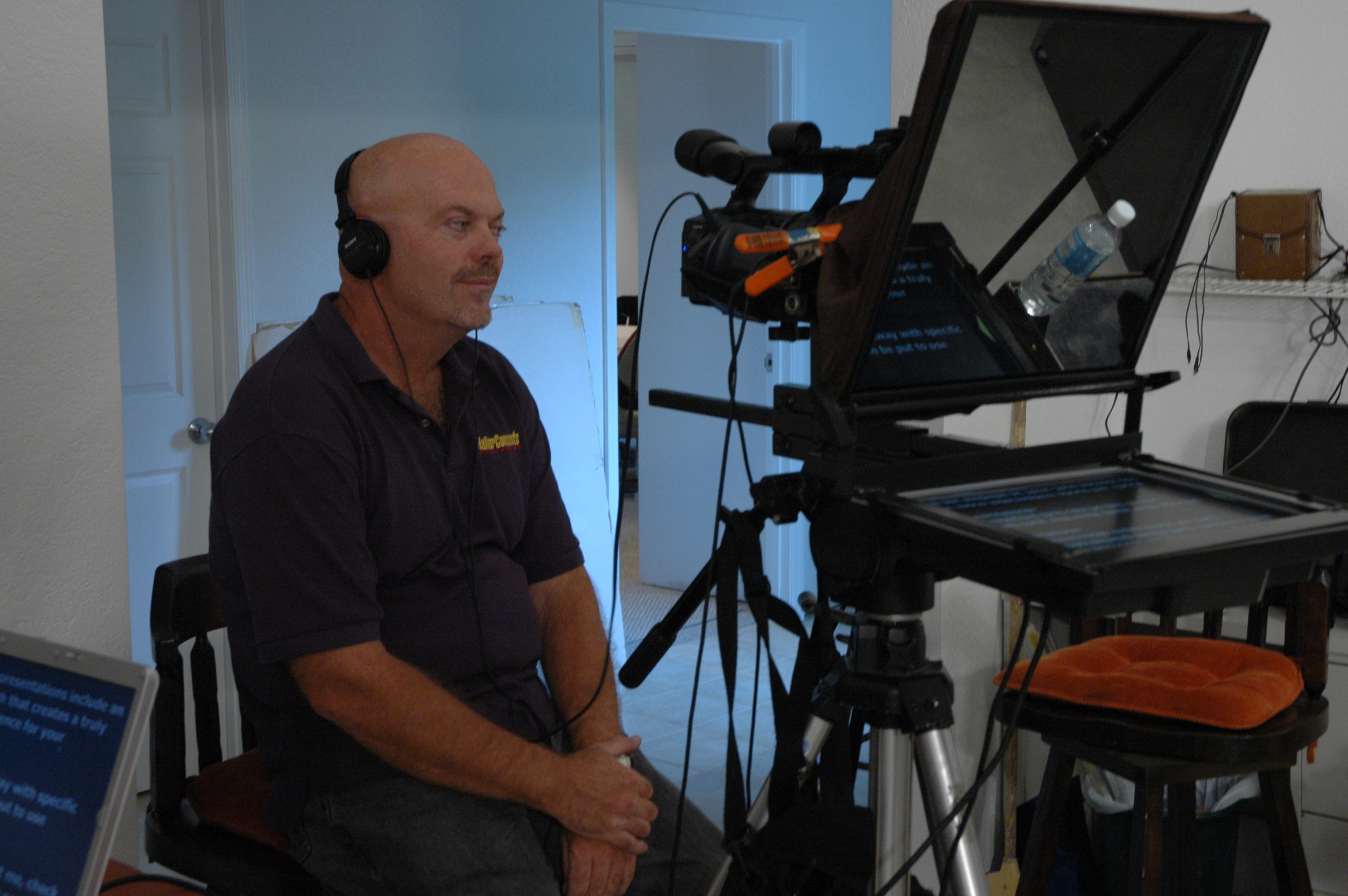
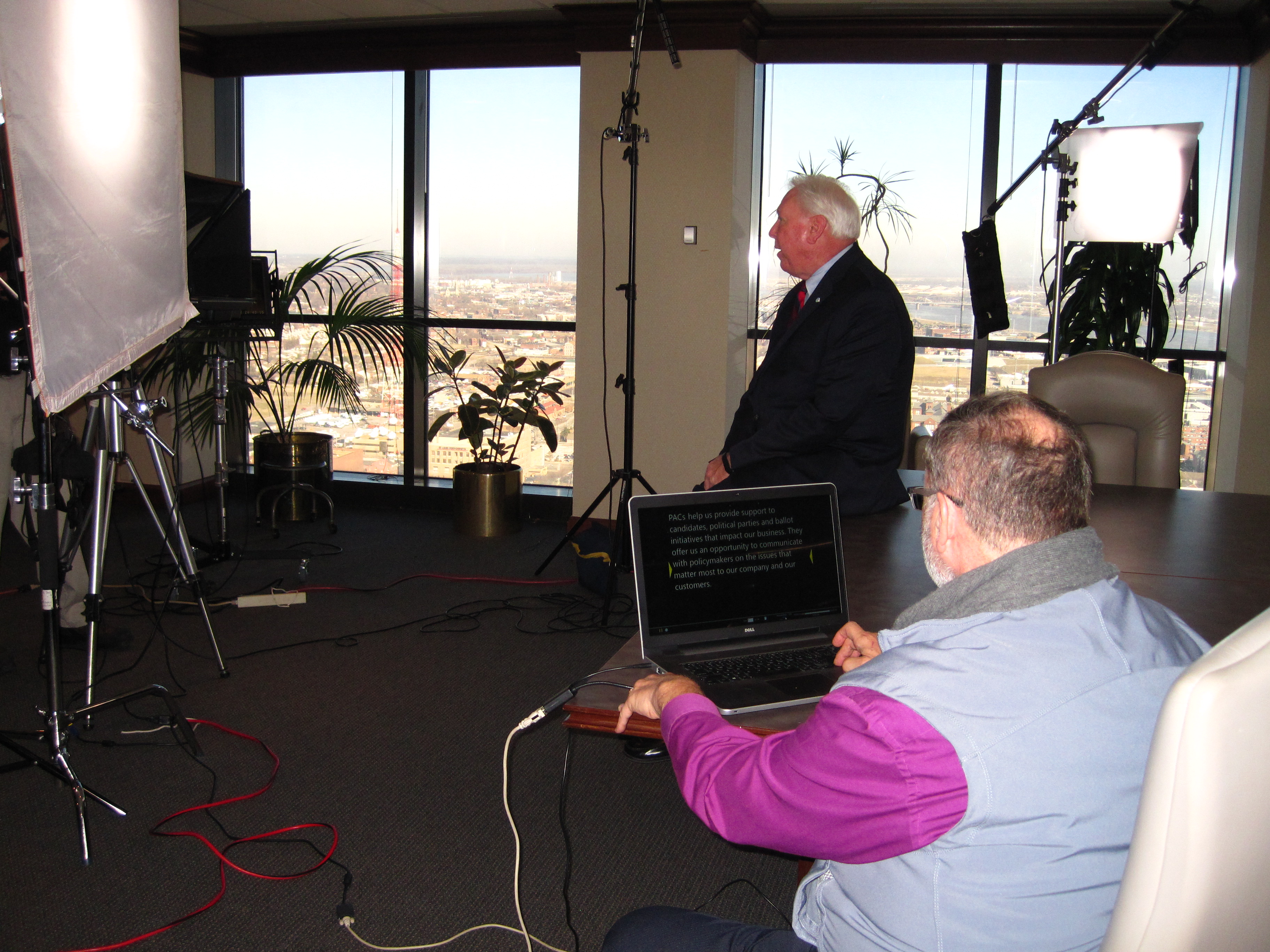
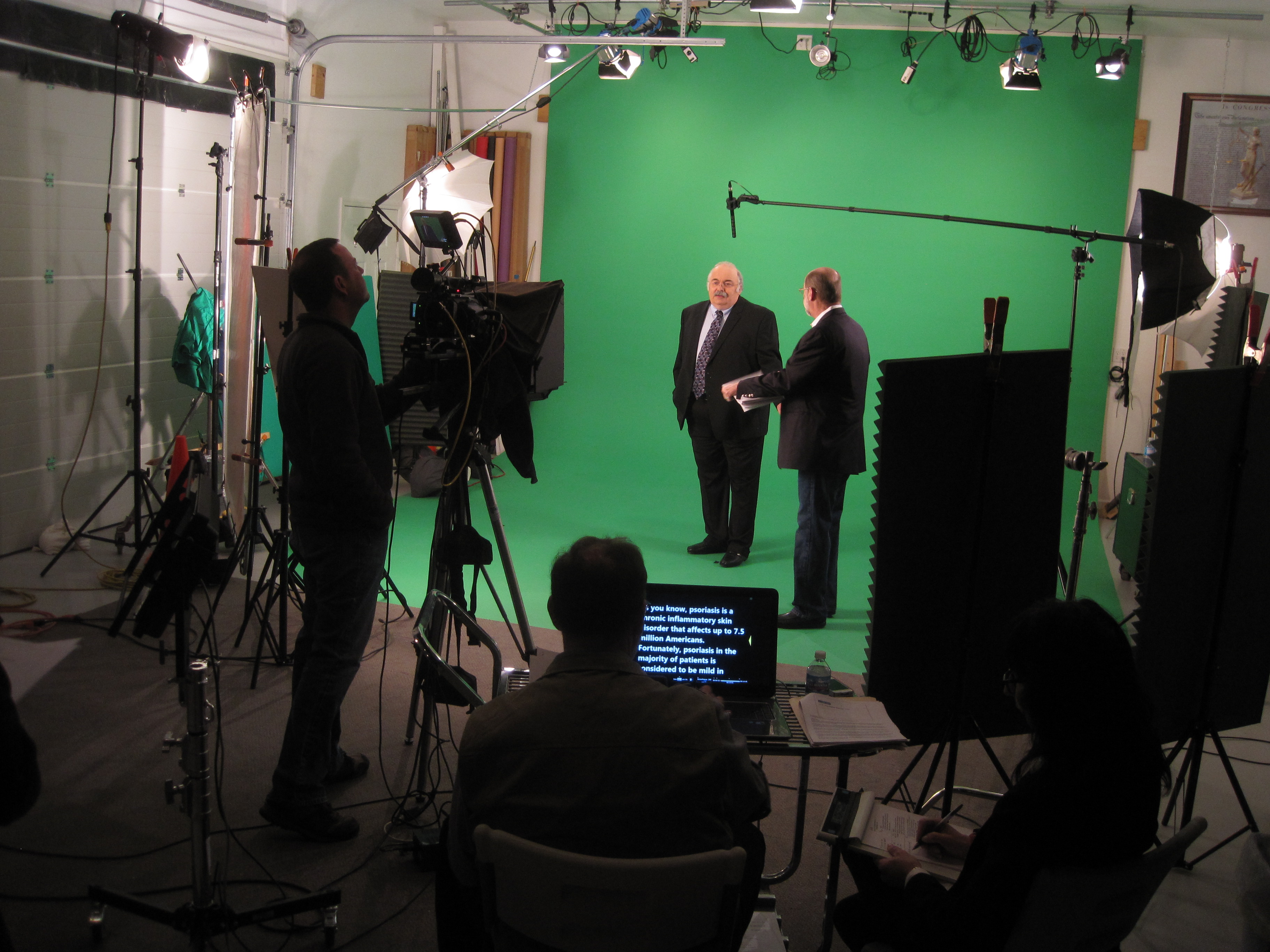
- Eyes on the lens: Use a through-the-glass prompter with the camera centered; avoid iPad-on-stand setups that shift eye-line.
- Pace and prosody: A skilled operator “rides” speed to the talent’s breathing, not the other way around.
- Gesture prompts: Add inline cues—(smile), (hand open), (lean in)—to remind body language without breaking flow.
- Cutaway insurance: Plan purposeful B-roll to cover micro-stumbles while keeping the best take’s audio.
Technical Setup That Protects the Look
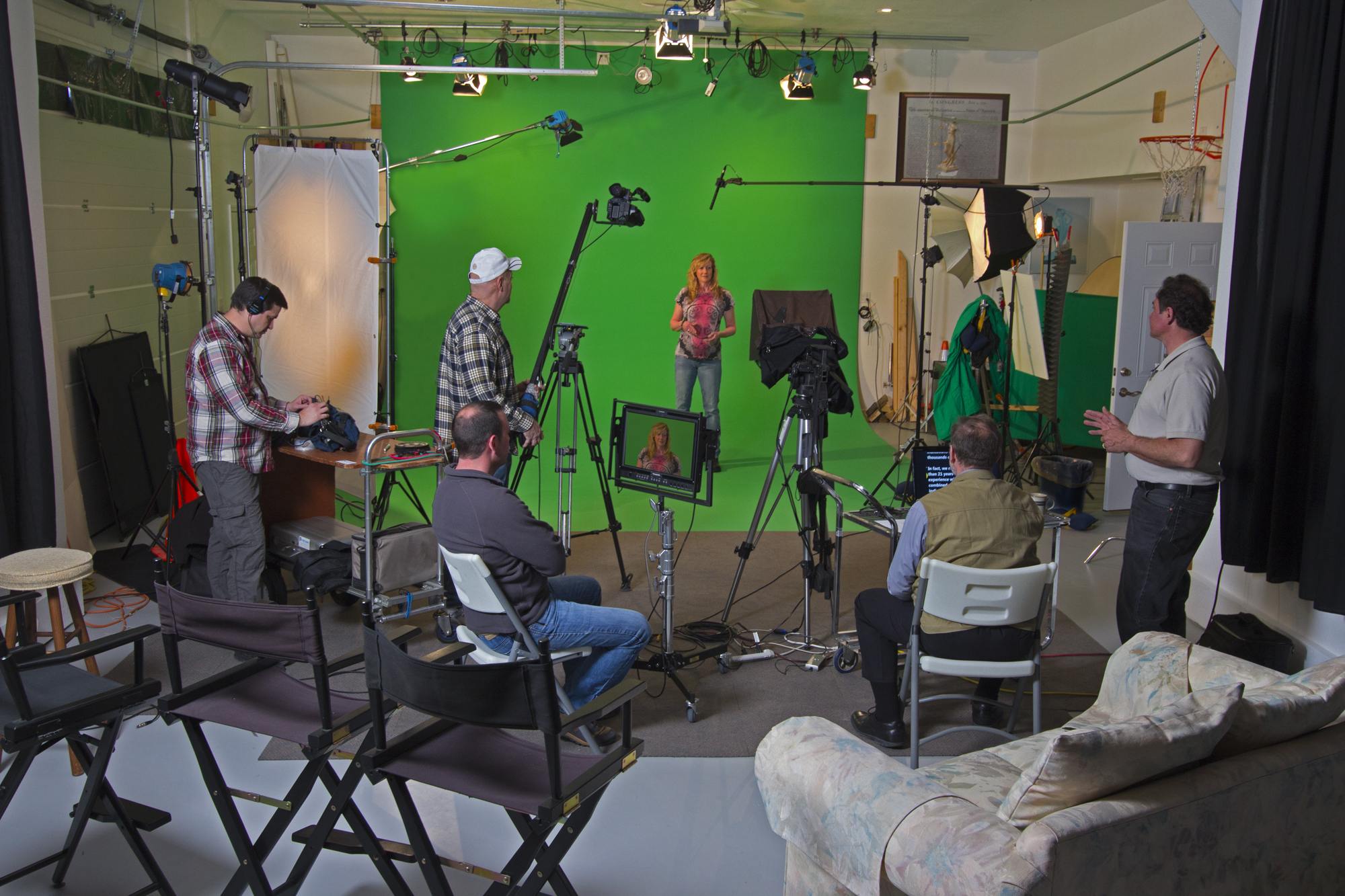
- Prompter type: 70/30 beamsplitter glass, 15mm rail-mount or studio pedestal for stability and fast lens swaps.
- Lens choice: 70–100mm FF equivalent for flattering compression on single-subject interviews; widen slightly for leaders who naturally “scan.”
- Camera height: Lens at or slightly above eye level; reduces upper-lid shadowing and keeps gaze connection.
- Brightness and contrast: Match prompter brightness to key light to avoid eye strain; high-contrast, sans-serif font at ample point size.
- Operator comms: Clear talkback between prompter op, director, and talent to adjust speed mid-sentence.
Producer’s Playbook: Run of Show
- Pre-pro (marketing + legal): Lock core claims, disclaimers, and CTA variants. Approve scripts and alt lines.
- Table read (virtual): 20–30 minutes per speaker. Mark tongue-twisters. Rewrite for cadence.
- On-set rehearsal: One off-camera pass with the prompter rolling; build muscle memory fast.
- Record strategy: Two clean takes for safety, then a “performance” take with personality. Grab pickups by paragraph, not single lines.
- Slate discipline: Label takes by script version (A/B), paragraph, and CTA to accelerate edit pulls.
Post-Production Savings You Can Bank On
- Cleaner selects: Fewer stumbles means faster string-outs and less micro-cutting to hide errors.
- Reduced audio repair: Steady cadence minimizes filler words and breath edits.
- Shorter approvals: Fewer script deviations lead to fewer review cycles.
- Asset longevity: Pre-written alt CTAs and modular paragraphs make future re-cuts painless.
Compliance, Brand, and Risk Management
- Claims control: Approved language duplicated verbatim in the prompter reduces off-script risk.
- Accessibility: Provide caption files generated from the final prompter script for accuracy.
- Localization: Swap nouns and CTAs in region-specific prompter blocks without re-shooting the whole piece.
Teleprompter Readiness Checklist
Content
- Final, approved script + :60/:30/:15 variants
- Inline pauses, emphasis, and gesture cues
- Pronunciation notes for names and technical terms
People
- Trained teleprompter operator
- Producer/coach for performance
- Script supervisor for continuity
Gear
- Through-the-glass prompter with proper hood
- Rail or pedestal mount matched to camera package
- Monitoring for director and client
On Set
- Eye-line verified, lens centered
- Font size/contrast set for comfort
- Rehearsal pass, then two clean takes + one personality take
- Planned B-roll to cover paragraph-level pickups
Sample Teleprompter Paragraph (Natural Cadence)
Today, our customers expect clarity and speed. [pause]
In under two minutes, I’ll show you how we cut onboarding time by 42%—without adding headcount. [beat]
Let’s start with the three changes that made the difference: simpler forms, smarter routing, and real-time status updates. [smile]
Where Teleprompters Shine Most
- Executive messages and town halls
- Product launches and feature explainers
- Customer stories with busy stakeholders
- Recruiting, culture, and safety training videos
- Regulated industries (finance, healthcare, manufacturing)
Bottom Line
Teleprompters don’t eliminate authenticity—they enable it. With the right script architecture, coaching, and operator, your real people will speak clearly, stay on message, and finish the day early. Your edit team will thank you, and so will your budget.
About St Louis Corporate Video
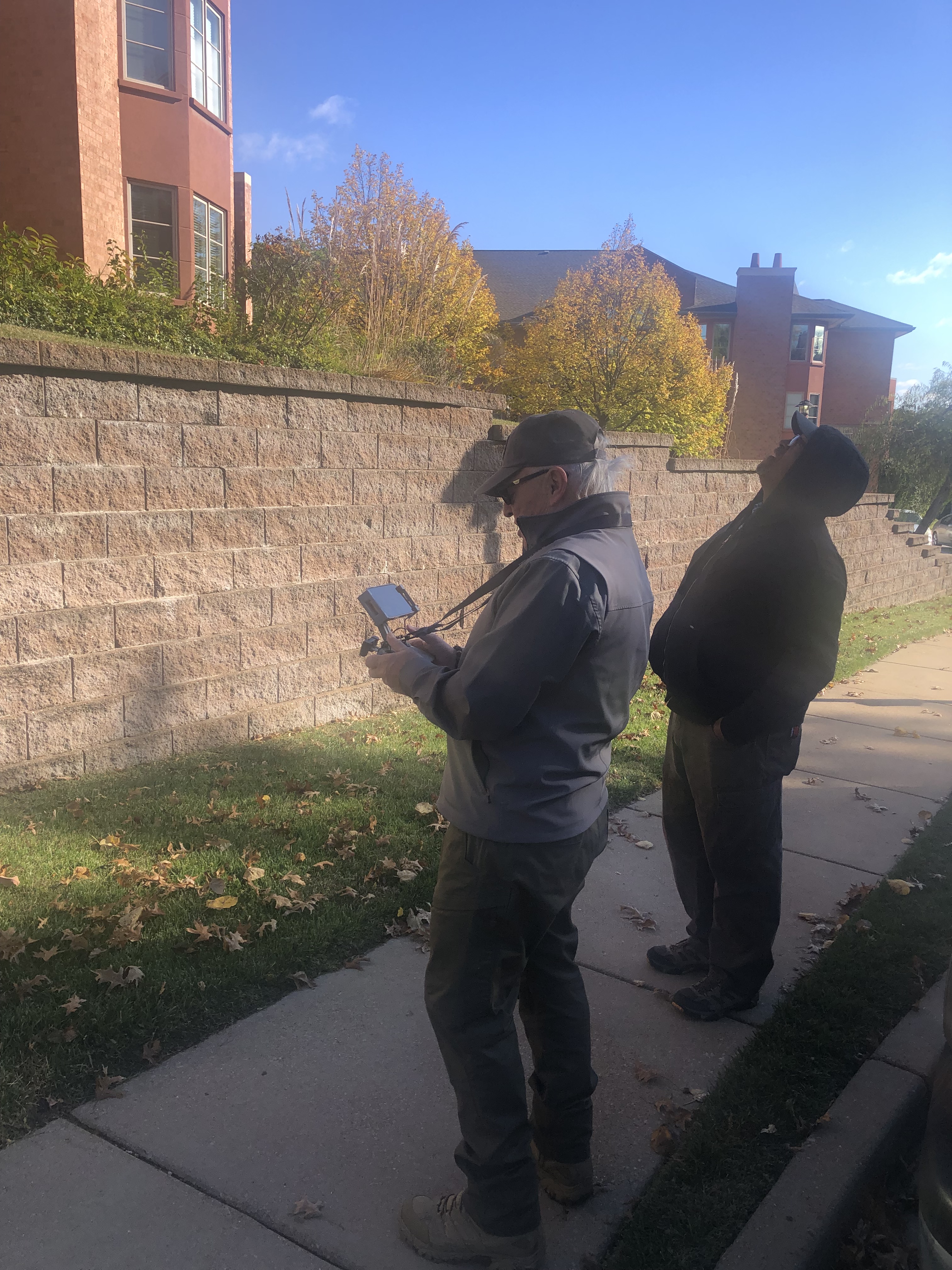
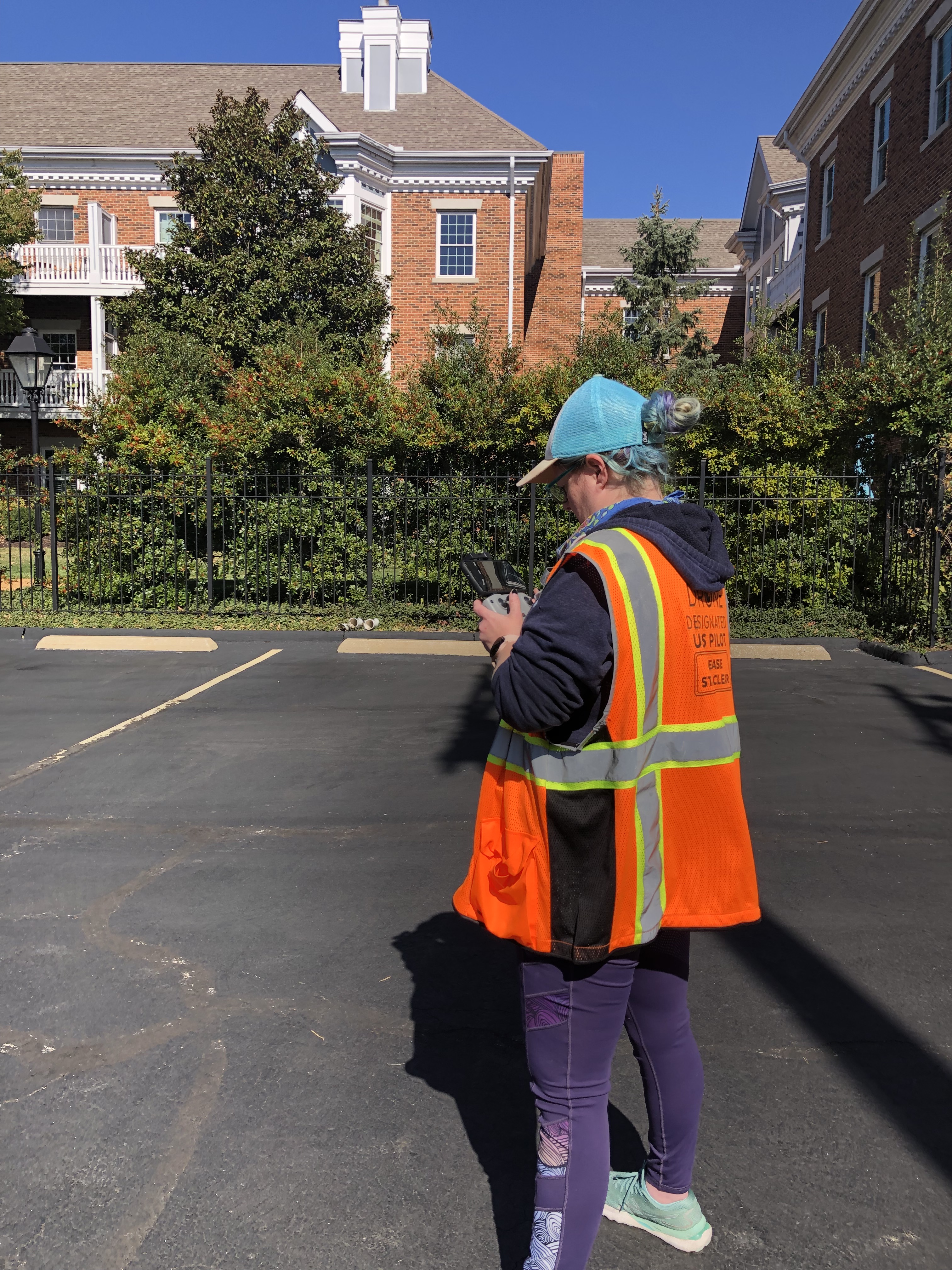
Since 1982, St Louis Corporate Video has helped businesses, marketing firms, and creative agencies throughout the St. Louis area deliver confident on-camera performances and measurable results. We are a full-service professional commercial photography and video production company with the right equipment and seasoned crew for successful image acquisition. We offer full-service studio and location video and photography, editing, and post-production, and we deploy licensed drone pilots—including specialized drones we can safely fly indoors.
We customize productions for diverse media requirements and repurpose your photography and video branding to gain more traction across channels. Our team is well-versed in all file types, media styles, and accompanying software. We also leverage the latest Artificial Intelligence across our services—accelerating cleanups, captions, versions, and compliance—while preserving brand accuracy.
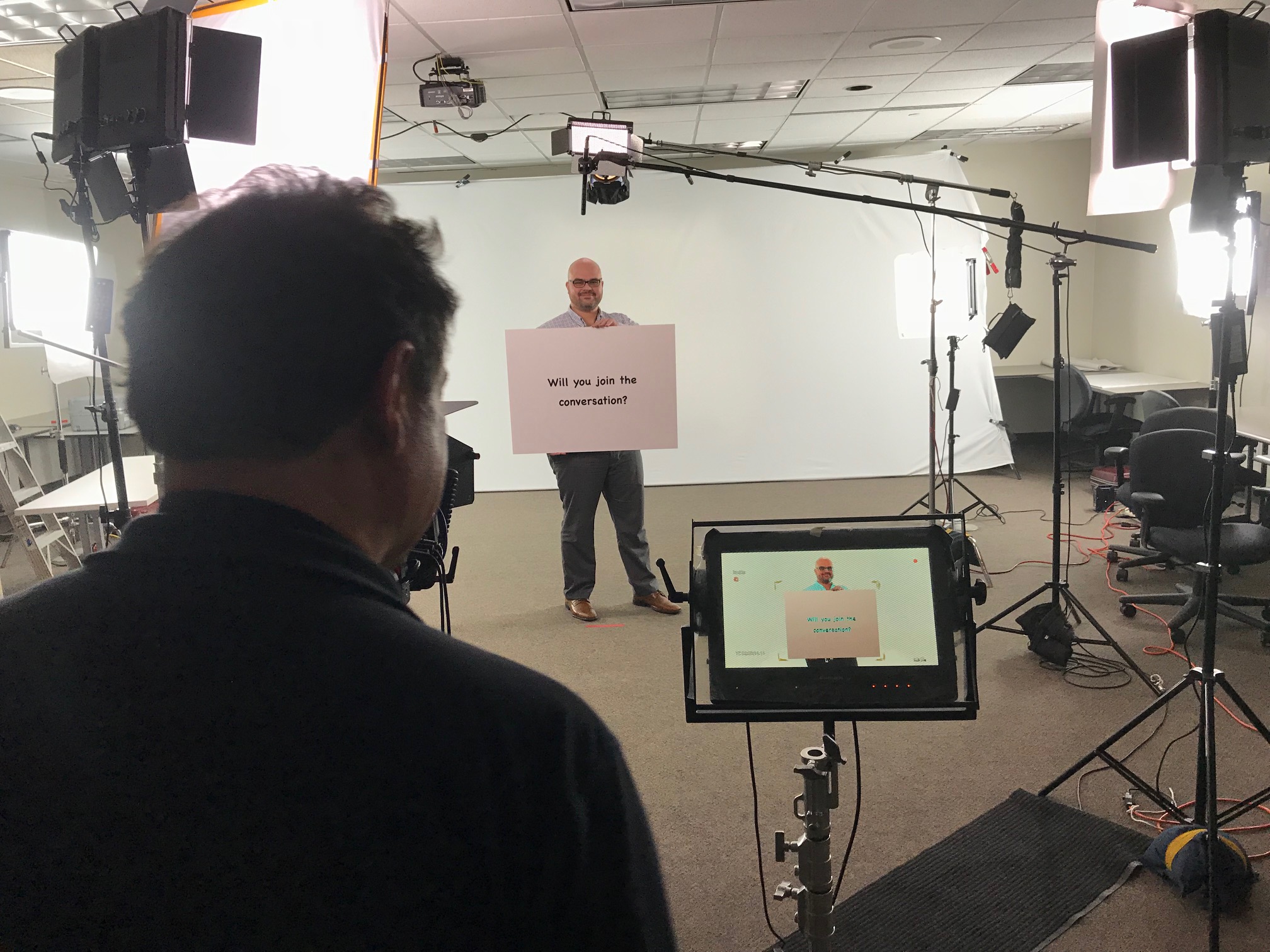
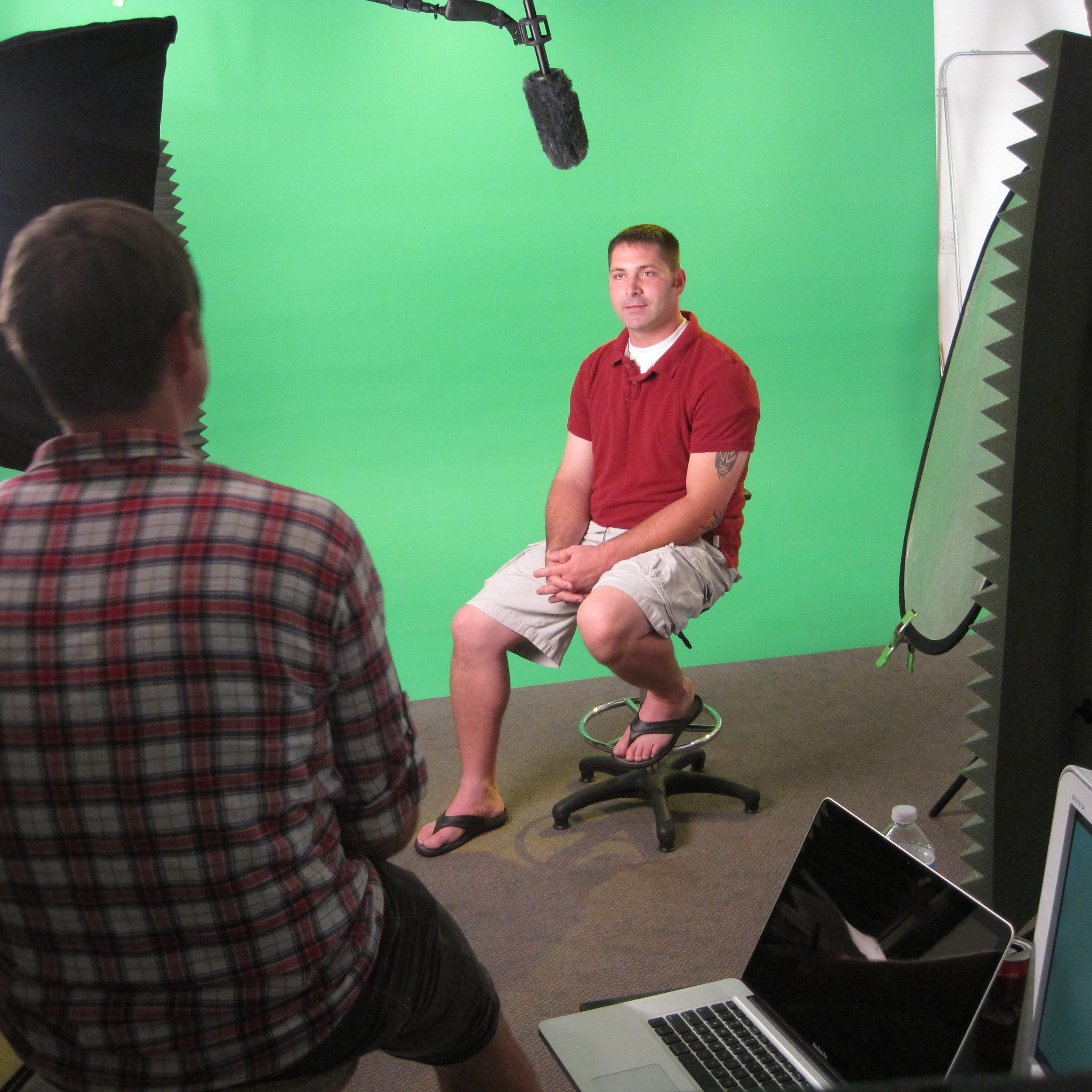
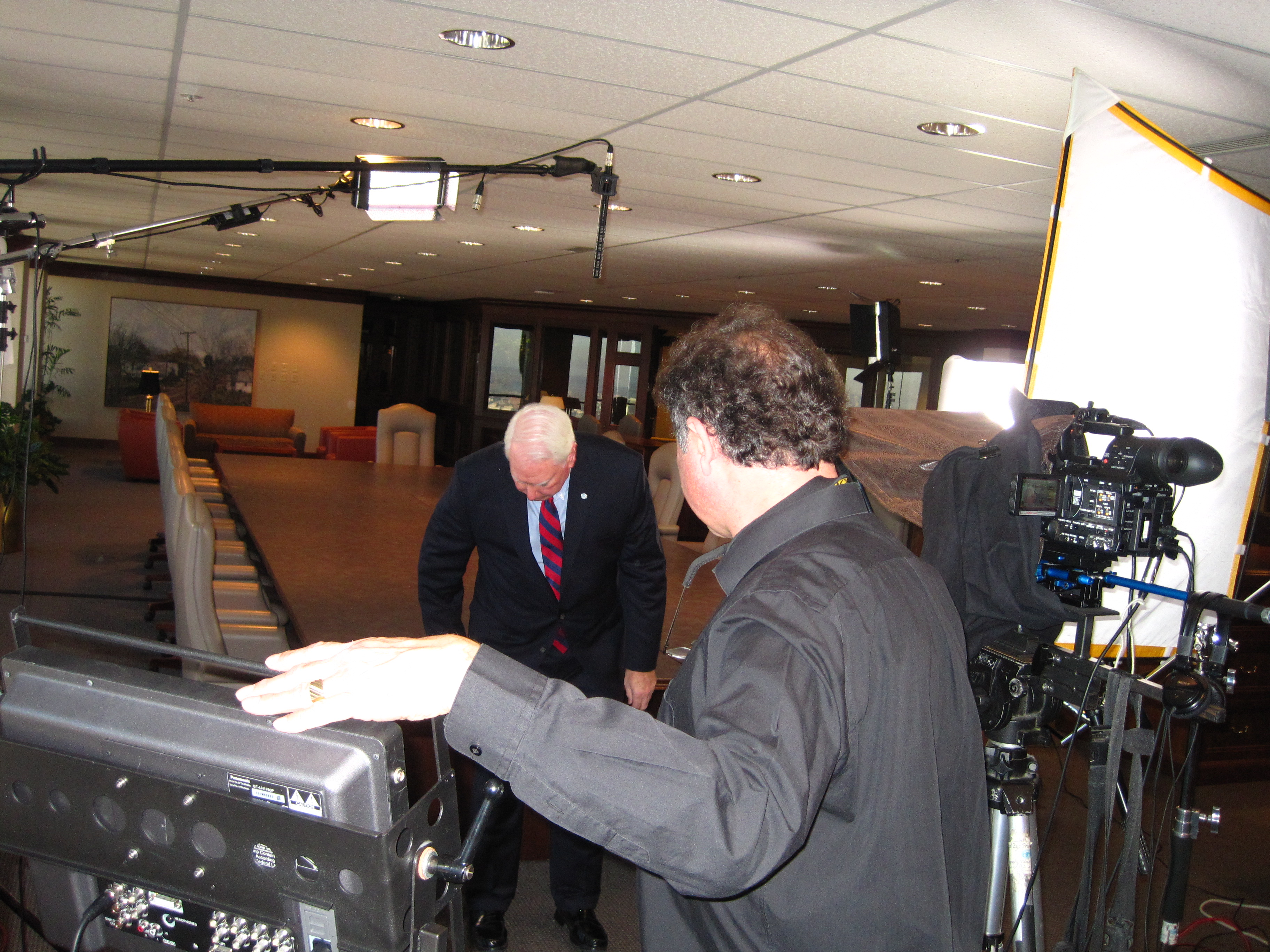
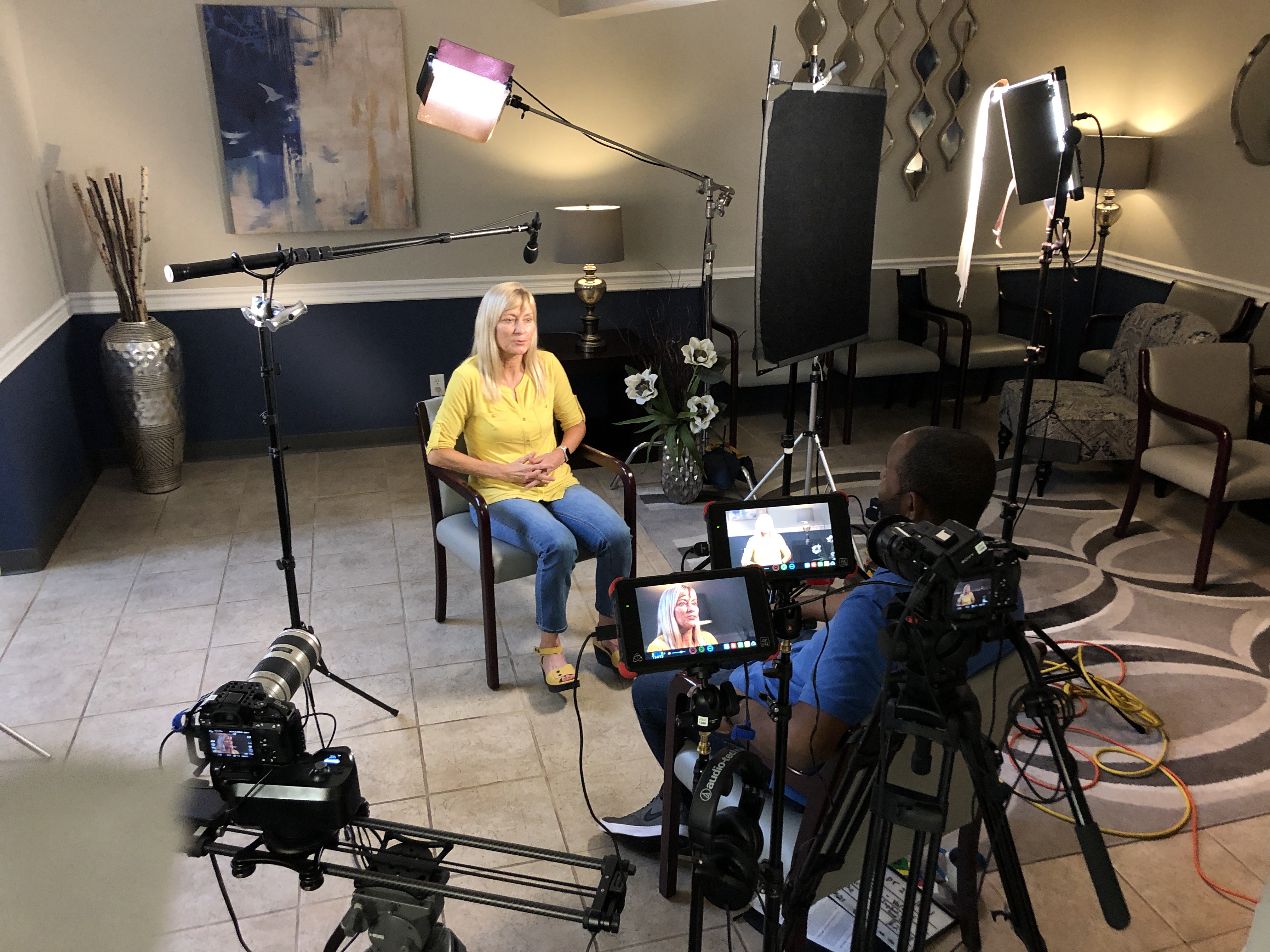
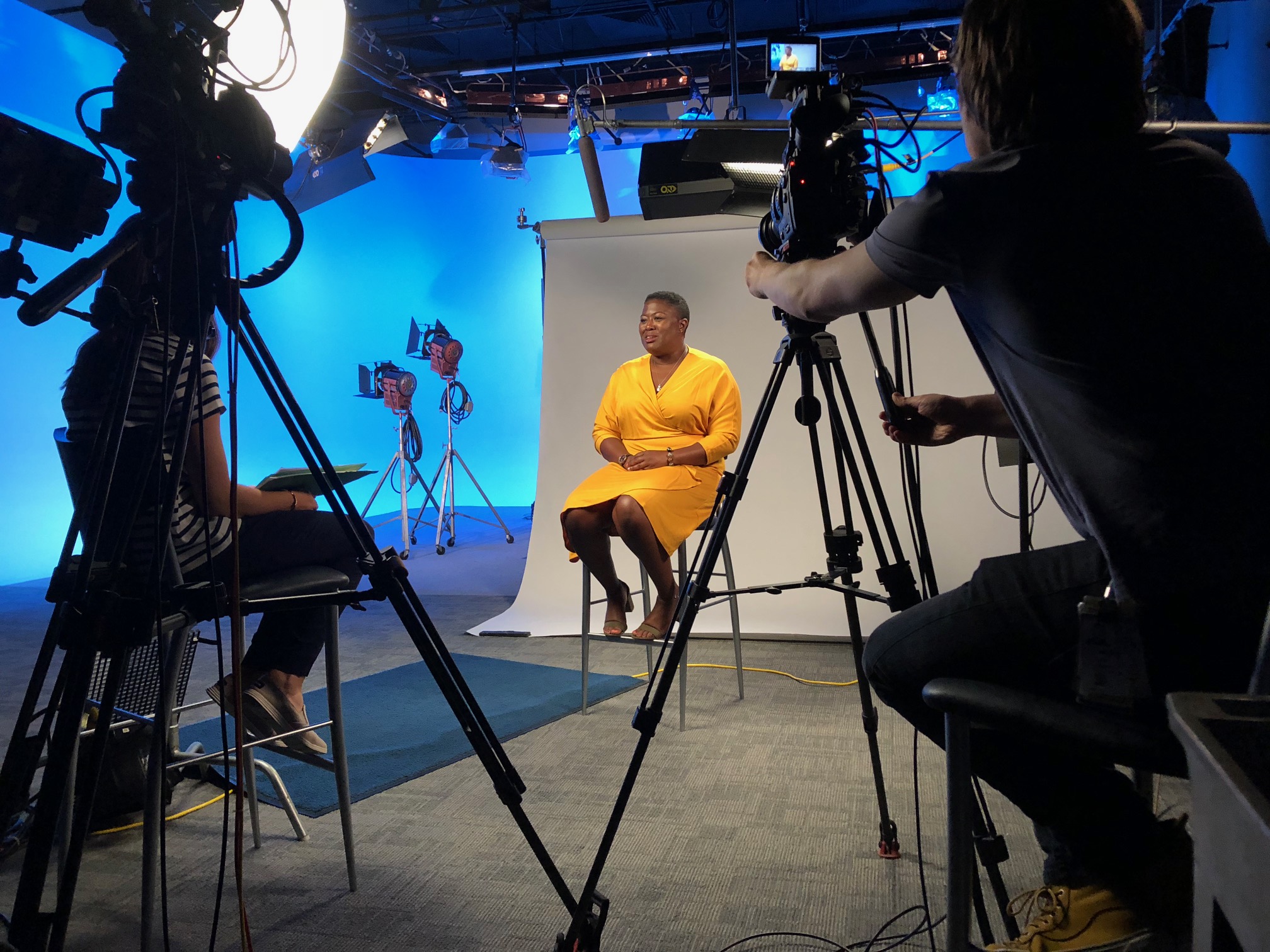
Our private studio lighting and visual setup is perfect for small productions and interview scenes, with room to incorporate props that round out your set. From building a private, custom interview studio to supplying professional sound and camera operators—plus the right gear—we support every aspect of your production to keep your next video seamless and successful.



 St Louis Corporate Video & Photography