Tips & Tricks on How to Perfectly Execute a Professional Video Interview.
You’ve been given the task to create a professional video production interview. Don’t panic! We’ve got the tips and tricks you’ll need for a successful shoot.
You’ll be able to craft the perfect story that your audience will enjoy with ease, ensuring you deliver the best results for your project.
Introduction
It’s no surprise that video production interviews are highly sought after by many organizations and individuals. Professional video production interviews have the capacity to captivate audiences and create an impactful visual display of the interviewee’s expertise or opinion. In order to fully execute a successful interview, there are some tips and tricks that should be taken into consideration.
Before you even begin filming, it is important to plan out the entire shoot in its entirety. Determine who will be involved in each scene, what will be used for props and sets, how much time you’ll need for setup and take-down, which camera angles will best fit your vision of the shot, which audio recording devices should be used, how much lighting is necessary for effects or aesthetic purposes, any restrictions from location owners or local regulations you might encounter, what other filmmaking techniques can add cinematic flair to your production such as slow motion or jump cuts. Taking all of these items into account whilst constructing a timeline and agenda will help to ensure a smooth shoot day when it’s time to finally undertake the task at hand: executing an engaging interview with your chosen subject matter expert(s).
Preparation for the Interview
To ensure a successful interview, it is important to be prepared. You can expect the unexpected in an interview situation, so there are a few things you can do to make sure everything runs smoothly.
Firstly, make sure you know what format the interview will be taking. Will you be shooting video or audio? Will it be face-to-face, by video call or over the phone? Depending on which of these methods is chosen the approach will differ. Know exactly what you are working with before proceeding.
Next, do your research! Before meeting with your interviewee it is essential that you familiarise yourself with their work and accomplishments so that you can use relevant material during your conversation. It’s always nice to take the time to give them a compliment and thank them for agreeing to come and partake in the project.
Finally gather all of your equipment beforehand and test it out so that nothing malfunctions on the day of filming or recording. There should also be a plan as to how long each section of the shoot should run for and how many questions should be asked if necessary. This way neither party will feel uncertain as to how long they should stay or how much footage should be taken – Prevent any potential overcrowding in either situation creatively through efficient time-management techniques depending on budget constraints. Have props ready if needed (visual aids etc) – these can help add an extra dynamic/dimension to an otherwise flat sounding/looking delivery from guest speakers during video shoots allowing for further engagement from viewers & more well rounded content overall which will help drive better results for organic keyword optimization & visibility within internet algorithms on search engine results pages across YouTube & other major platforms available today.
Setting Up the Space for the Interview
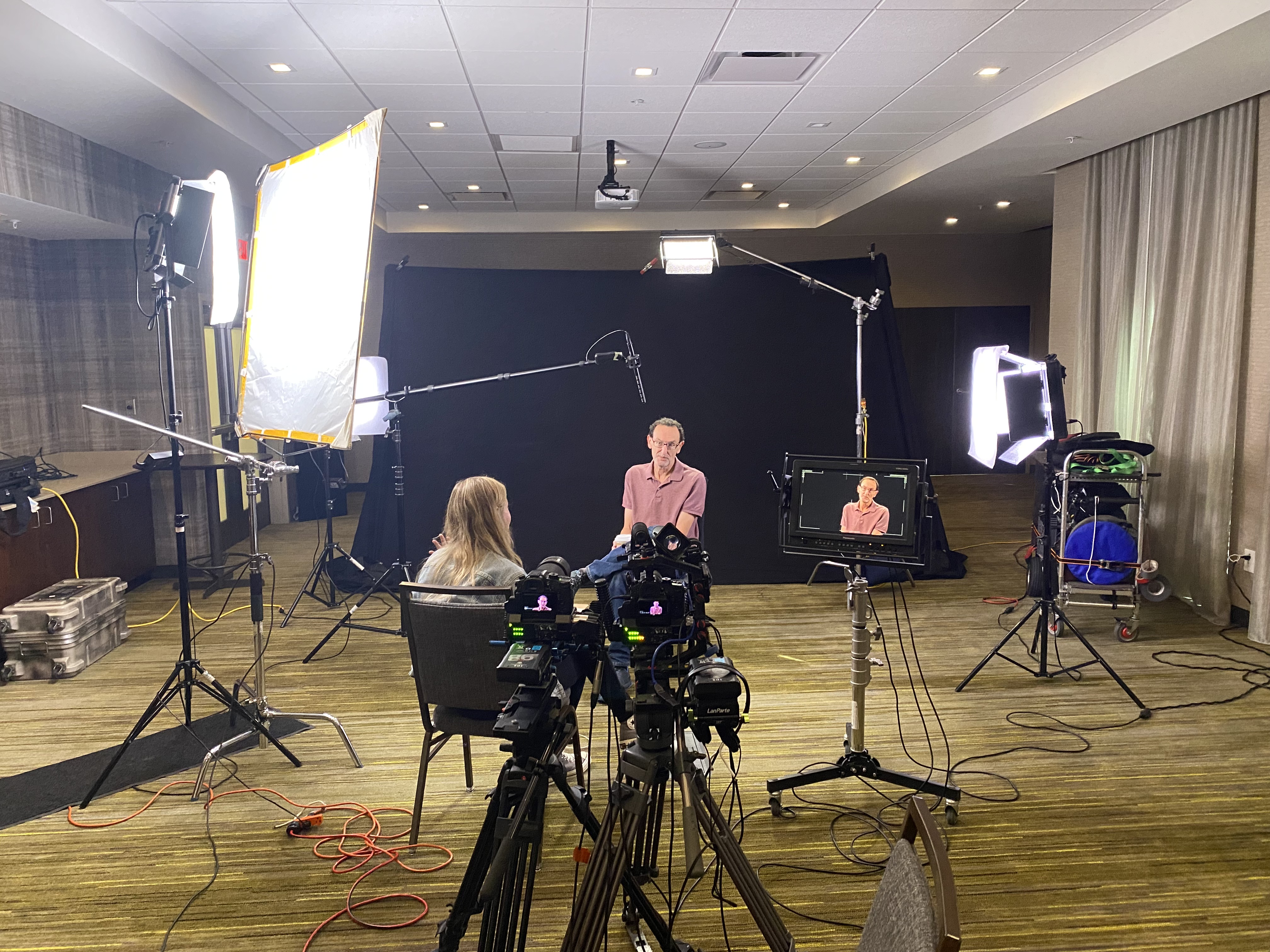
Once you have chosen the right subject and secured the necessary permissions, the next step is to set up the shooting space. It is important to consider your subject’s comfort when selecting a space — adjust lighting, chairs and sound accordingly. Depending on the specifics of the project, you may also have to consider background décor and aesthetics.
When designing your space, think about interview seating arrangements. Avoid sitting too close to your subject or positioning them with their back against a window or other light source. Take control of reflections by turning off mirrors, televisions and anything else that could produce glare or shadow on your subject’s face. Be sure to check for any other potential distractions that might take focus away from your interviewee or compromise sound quality: turn off fans or air conditioning units, unplug phones and modems, mute phones left in landlines as they can pick up interference during recording sessions. Lastly, it is important to minimize movement in the room as vibrations will show up on screen—aim for a relatively static location with minimal foot traffic near by.
Equipment Setup for the Interview
Setting up the right equipment is essential to any successful video production interview. In order to ensure a positive experience for both you and the interviewee, it’s important to make sure that each piece of equipment works properly. Here are some considerations when setting up for a professional video production interview:
-Camera: Choose a camera that allows you to adjust shutter speed, white balance, ISO, and other settings in order to achieve the desired look for your footage. Make sure you have multiple lenses with different focal lengths so you can capture close-ups as well as wide shots.
-Lighting: Brighten up your scene with proper lighting setup. Experiment with various lighting techniques and use lights of different dimmers to bring out highlights or shadows in order to create an interesting aesthetic.
-Sound: Use an external microphone and audio recorder in order to maintain clear sound regardless of any noise or ambient sound coming from the environment. It’s also important to set a comfortable volume level so you’re able to hear everything that’s being said during the interview without straining your ears too much.
-Backdrop: Choose a backdrop that will enhance your overall look and avoid any potential distractions for the viewers watching your footage at home. When possible, use solid colored backgrounds in white or shades of gray — this will help keep the focus on only what’s seen within frame rather than creating confusion amongst multiple background elements and colors competing for space within one shot.
Creating the Right Mood for the Interview
Before you begin the actual video production, it’s important to make sure the atmosphere is comfortable and conducive to creating a great interview. Make sure you give your subject enough time before the shoot to get settled in, and be willing to have some informal conversation with them in order to relax them. Flatter them a bit and focus more on building rapport than being overly concerned with recording at this moment.
By greeting your subject with eye contact and a smile and having positive body language during the greeting time, their comfort level will naturally increase. Be aware of other people or noise around in the area of filming because any unwanted disturbances can ruin an otherwise flawless shot. Give explanations when necessary on how things are going to work before the interview. Being up-front about processes makes it easier for everyone because it takes away any speculation of what might be happening or why they’re being asked certain questions.
Create some kind of visual focus by setting up something like a wall poster or logo placard that will draw attention away from anything distracting in the background. Choose flattering lighting that complements your subject instead of washing out their features, and make sure all colors are clearly seen but not overwhelming on camera so viewers won’t be distracted by strange colors or details like clothing brand logos over each individual’s face. Finally, keep mics near but off-screen so they never get into frame while still picking up natural sound from your participants during conversation flow, allowing for authentic editing when piecing together a final product that doesn’t appear stifled or stiff even when working with rigid subject matter topics.
Interviewing Techniques
An interview is a great way to gain insight and perspective from the subject of your video. However, interviews can be difficult to conduct, even for experienced filmmakers. To ensure you get the best results for your production, it’s important to use professional interviewing techniques. Here are some tips and tricks for getting the most from an interviewee:
-Be timely: Always make sure that you arrive on time for an interview. Respectful punctuality will set a professional tone and show that you respect your subject’s time.
-Be prepared: Before the interview starts, review any subject matter that might be discussed and jot down notes or questions to aid in keeping conversations on track.
-Be organized: Start off by introducing the goals of the video as well as explain how their answers will be used. Ensure they understand how long they will be expected to be speaking while also giving them a timeline of what topics and questions may arise during the course of their answering period.
-Be comfortable: Make sure your interviewee feels comfortable before starting to ask questions – ask about them, establish rapport and try not to let awkward silences linger by improvising if need be or start with warmup questions and ease into more targeted content further into the conversation.
-Be attentive: Focus all of your attention on the person who is speaking by having an attentive posture such as leaning forward in interest from time to time so they feel heard rather than disregardful body language. Ask follow up probing questions at appropriate times throughout as well when warranted in order investigate any individual comment or answer further should something require extra clarity or depth for example. You can punctuate this knowledgeable interest with active listening cues like “uh huh” and “okay” beforehand along with genuine nods etc so they feel acknowledged instead of pressure by silence during potential lulls in dialogue etc too.
Editing and Post-Production
Once the filming and audio recording process is complete, the next step of a professional video production interview is editing and post-production. This phase is the most time-consuming part of creating a video interview, yet arguably the most essential. After taking all the footage obtained during a day’s worth of shooting and crafting it into an organized video that is coherent and visually pleasing, editors then use software such as Adobe Premiere Pro to go through each moment frame-by-frame.
This process involves removing any unwanted sounds or visuals that overpower or distract from what’s being said on camera so only vital information and entertaining content are left in place. Furthermore, in order to make an interview more engaging, clips can get crafted together with music or other audiovisual elements; transitions between two shots can be altered; and colors can be adjusted to better fit within a theme or preset style guide. All of these aspects mindfully combine to create the best version of your professional video production project — one that will both accurately represent what was intended for the audience to see, hear and feel with respect to its purpose.
To conclude, the success of a professional video production interview depends on having a plan and knowing what questions to ask.
To make the interviewee feel comfortable and get them to provide meaningful information for your production, invest in learning about their background, create a relaxed atmosphere, project confidence in your ability to represent them favorably and be attentive during the interview. Don’t be afraid to take risks in order to make the most out of every conversation! When necessary, you can always look for tools such as microphones or headphones that can help you achieve optimum sound quality.
Finally, practice makes perfect — so don’t hesitate to go over mock interviews with colleagues before filming for real. Best of luck!
stlouiscorporatevideo@gmail.com
Mike Haller
314-913-5626
 St Louis Corporate Video & Photography